
Understanding the Differences Between Traditional and Synthetic Stucco
Stucco has been a popular choice for exterior finishes due to its durability and aesthetic appeal. Over time, the materials used for stucco have evolved, leading to two main types: traditional and synthetic. Understanding the differences between these two types can help homeowners and builders make informed decisions about which material is best suited for their needs. Let’s explore the key characteristics of both traditional and synthetic stucco to guide your choices.
Characteristics of Traditional Stucco
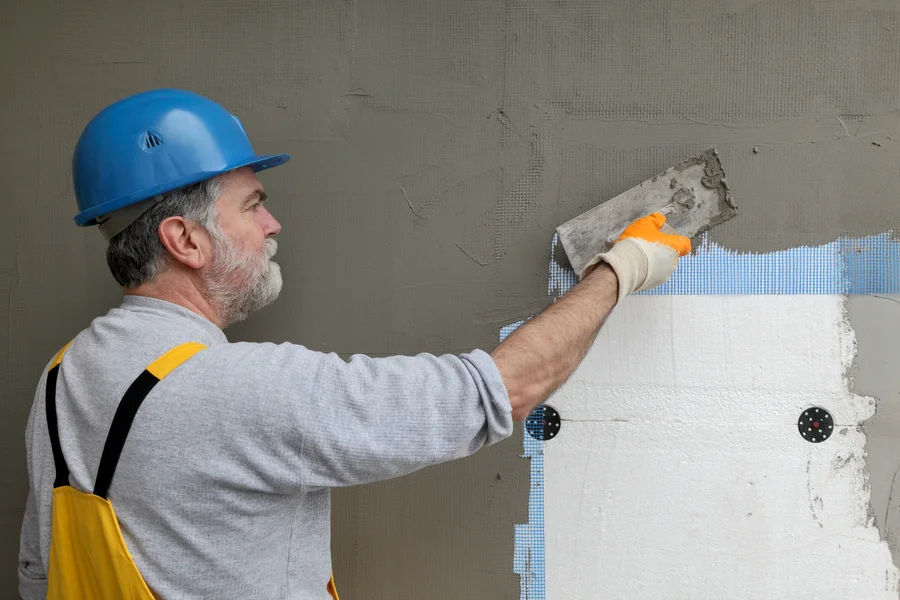
Traditional stucco is composed of cement, sand, lime, and water. It creates a hard surface that is breathable and allows moisture to escape. This makes it ideal for regions with fluctuating temperatures as it expands and contracts without cracking easily. However, traditional stucco can be prone to cracking if not applied correctly or if it’s subjected to ground movement. Regular inspections and maintenance are essential to ensure longevity, including addressing any cracks promptly through stucco repair services.
Features of Synthetic Stucco
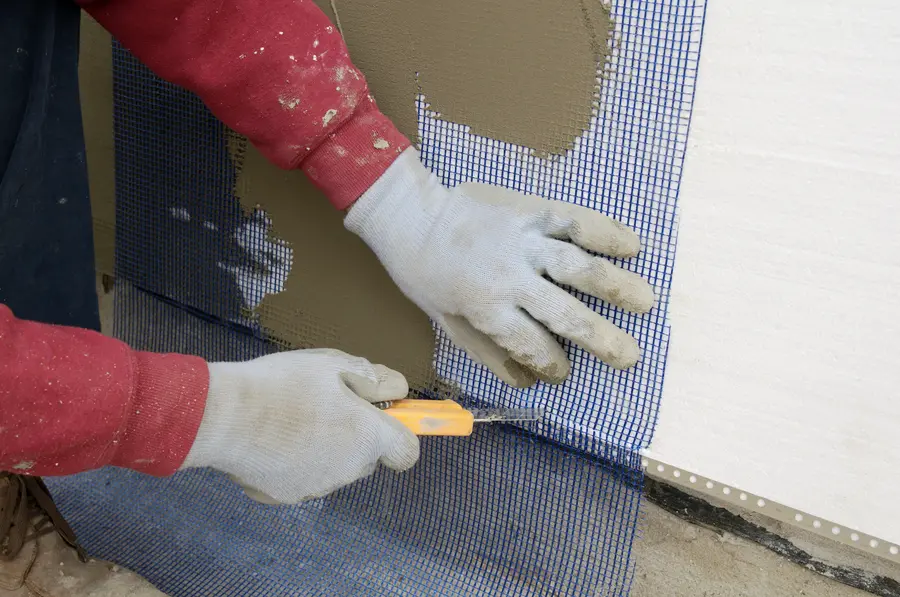
Synthetic stucco, also known as Exterior Insulation and Finish System (EIFS), incorporates layers of foam insulation and a finish coat made from acrylic resins. This type of stucco provides superior insulation properties, making homes energy-efficient by reducing heating and cooling costs. Additionally, synthetic stucco offers more design flexibility with various colors and textures available. Despite these benefits, synthetic stucco may require professional attention, such as stucco repair, when damaged to maintain its integrity.
Benefits of Choosing Traditional Stucco
Opting for traditional stucco comes with several advantages:
- Durability in variable climates due to its breathability.
- Aesthetic versatility suitable for different architectural styles.
- Naturally fire-resistant, adding a layer of safety.
Traditional stucco’s natural composition allows for easy blending with existing structures, providing a seamless look that many homeowners appreciate.
Advantages of Synthetic Stucco
Choosing synthetic stucco offers numerous benefits:
- Enhanced energy efficiency through superior insulation.
- Wide range of design options with customizable colors and textures.
- Lightweight, reducing strain on structural walls.
These features make synthetic stucco an attractive option for modern construction projects where energy savings and design flexibility are priorities.
Addressing Common Issues
Both traditional and synthetic stuccos have their challenges. For instance, traditional stucco might crack over time due to settling or impact damage. On the other hand, synthetic stucco may trap moisture if not properly installed, potentially leading to mold growth. It’s crucial to work with experienced professionals who understand how to mitigate these issues by ensuring correct installation and performing necessary repairs when required.
Cost Considerations When Choosing Stucco
The cost of installing either type of stucco depends on several factors such as material quality, labor expenses, and regional pricing variations. Traditional stucco is typically less expensive upfront but may incur additional costs over time due to maintenance needs. Conversely, synthetic stucco could have higher initial expenses but offers potential savings on energy bills. Balancing these considerations will help you determine which option aligns with your budget while meeting your long-term goals.
Final Thoughts on Selecting Stucco Materials
Selecting the right stucco material involves weighing the benefits and drawbacks of each type against your specific project needs. By understanding the characteristics of traditional and synthetic stuccos, you can make an informed decision that enhances your home’s value and performance. Contact The Ace Builder, Inc. at (858) 225-0052 for expert advice tailored to your location in San Diego, CA. Our team is ready to assist you in achieving the perfect finish for your building project.